Top 10 must-see historical sites in Rajasthan
Rajasthan has traditionally been linked to opulence and royal status. Rajasthan nevertheless maintains its status as a princely state despite no longer being the home of Rajput rulers and queens. Every building and monument that serves as a magnificent reminder of the opulence of the Rajput tribe has the imprint of its rich history. It is reasonable to state that if you do not participate in a historical appreciation, your trip to Rajasthan will be seriously missing. Known as the "land of kings," Rajasthan is home to some of the finest examples of Indian art, architecture, and culture. Rajasthan is ideal for gaining knowledge about and exploring the real and fascinating history of India. There are a variety of historical sites in Rajasthan to explore with your family or friends, there is a variety of educational.
Ancient monuments possessing wisdom and history
Rajasthan, like every other state, has a distinctive history, palaces, and temples that tell the tale of legendary warriors who are still honored for their valor and devotion to their motherland. Let's look at the top twelve historical monuments of Rajasthan that are definitely a traveler's paradise and among the best locations to visit in Rajasthan.
1. Amber Fort
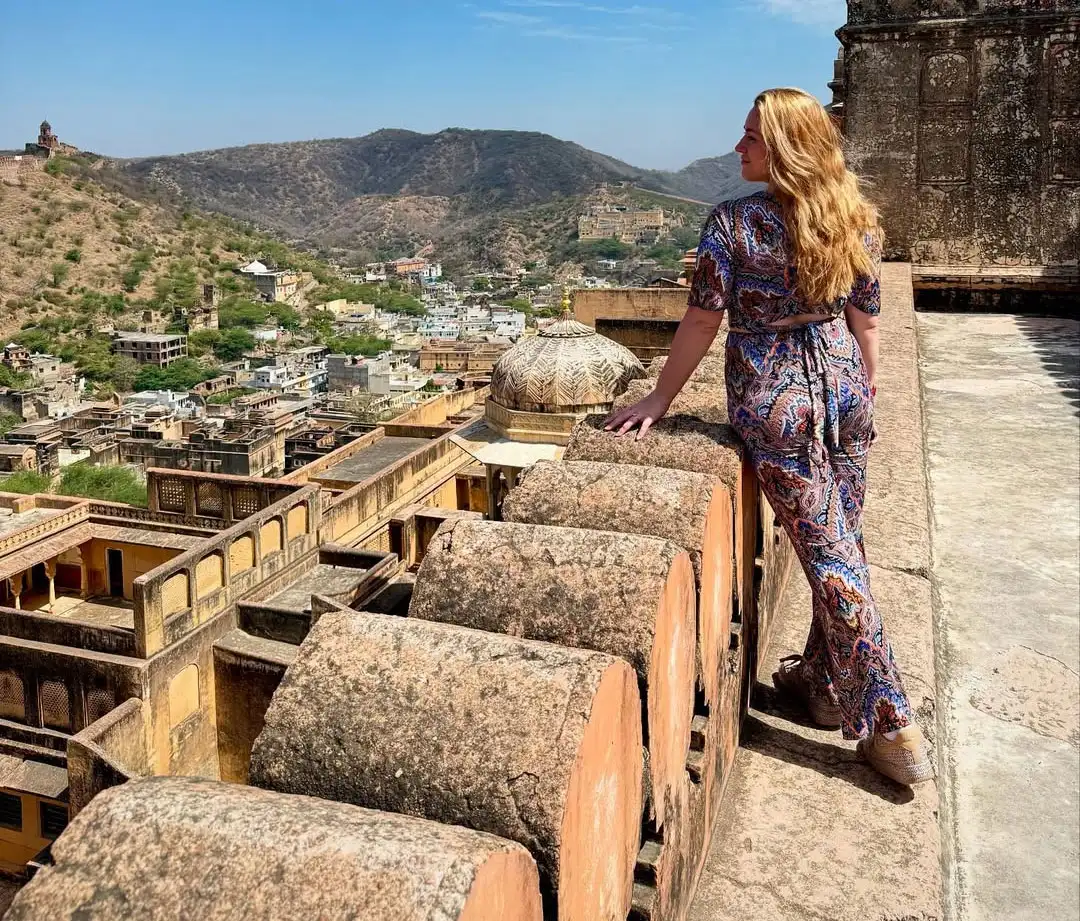
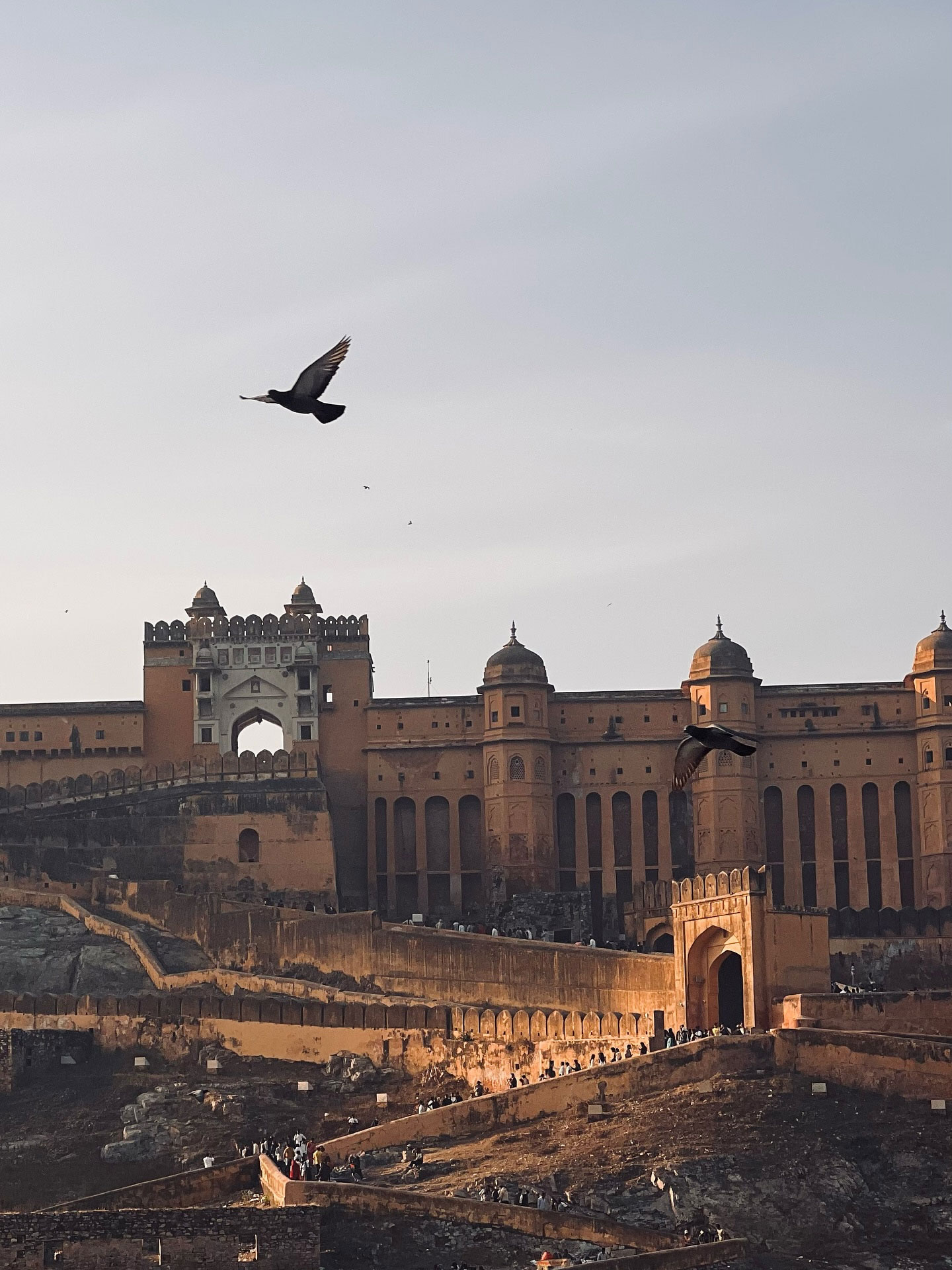
Only a few miles from Jaipur, the state’s capital is Amber, where this lovely fort is situated. The rich artwork and magnificent architecture of the ort, which was built by Sawai Jai Singh, astound tourists. You can visit the Sheesh Mahal, Jal Mandir, Diwan-i-Aam, and Diwan-i-Khaas inside the fort. The fort is well-known for the magnificent Hindu influences that can be seen in some of its architecture. Large parapets and numerous beautifully carved entrances give the palace a regal appearance. The fort was established in 1592 by Raja Man Singh, a Rajput king. The fort is large enough that you will need at least two to three hours to really explore it. You can also choose to use the audio tours, which will take you around this interesting structure while outlining its history. Riding the Amber Fort's staircase on an elephant is another well-liked tourist experience.
2. City Palace- Jaipur
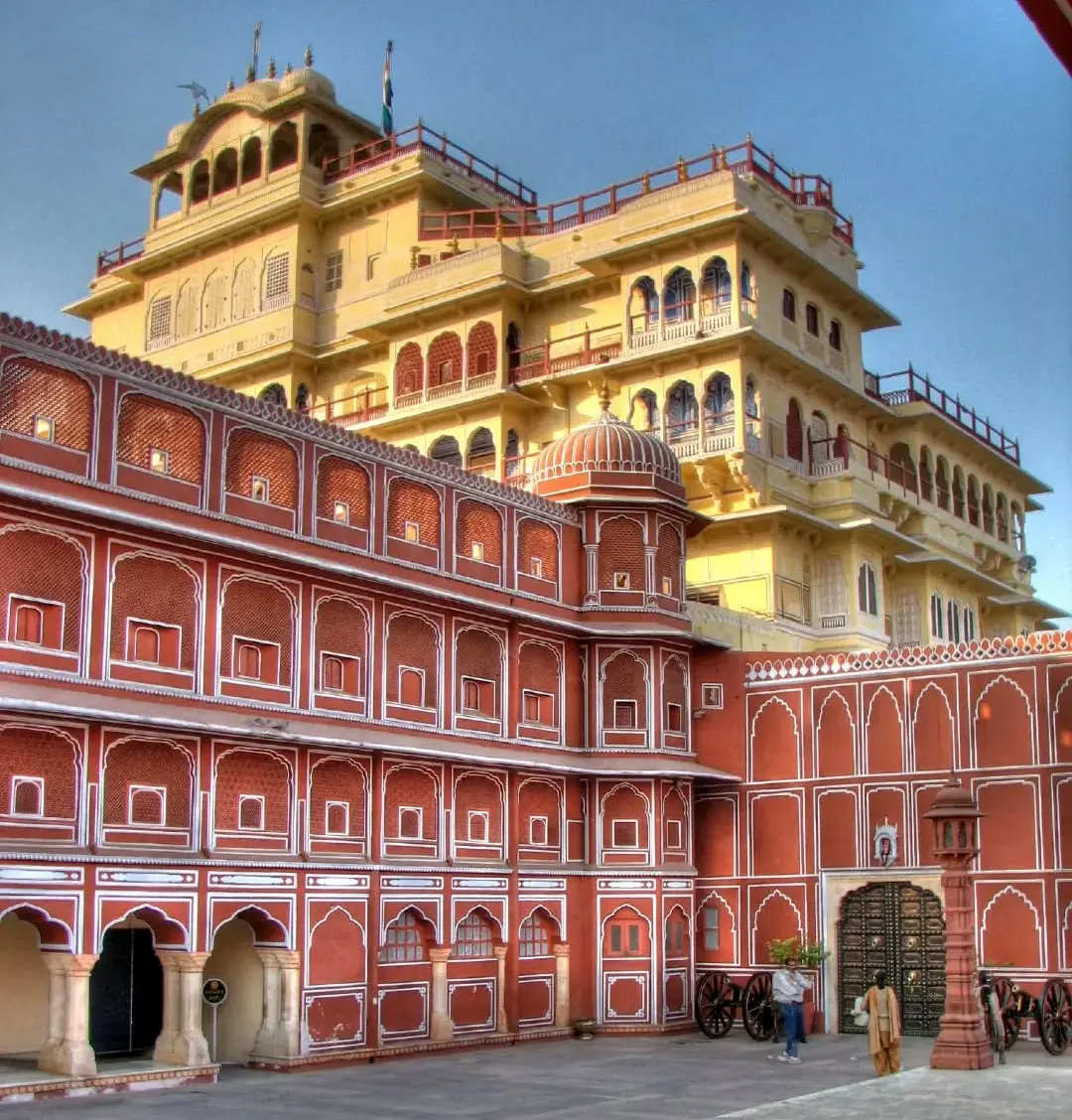
The City Palace, one of the most impressive historical monuments in Jaipur, was established by Raja Sawai Jai Singh and exhibits an extraordinary fusion of Rajasthani heritage and Mughal architecture. Its interior contains a multitude of gardens, temples, and numerous small palaces like Chandra Mahal. The Tripoli, Virendra Pol, and Udai Pol are three enormous gates that lead into the beautiful palace. Only royal families are permitted entrance through Tripoli, although visitors from the general public are allowed in the Virendra Pol and the Udai Pol. The Chandra Mahal and the Mubarak Mahal are two of the palace's many courtyards, buildings, and gardens. The museum displays a variety of one-of-a-kind handcrafted items as well as other items that are a part of the City Palace's royal legacy. The facade itself exhibits a fusion of Mughal and Rajput architectural traditions and is crafted with skill and careful attention to detail.
3. Archaeological Museum
This museum is situated in Amer, in the Dil-e-Aaram Gardens, and it contains a number of sculptures, archaeological finds from Raigarh, Sambhar, etc., as well as some epigraphs. One of the well-known historical sites in Rajasthan. This museum is very famous to tourists from all over the world. The material recovered from the excavations at Nagar, Sambhar, Bansi, Pamvar, Rairth, and Bairat is exquisitely collected in the first section. The incredible sculpture collections are in the second part.
The epigraphy part is the third portion. Two of its "Yupa Pillars," which serve as sacrifice posts, are present. This sect also includes priceless artifacts from ancient periods, such as Pratihar inscriptions, Barnala figures from Abhaneris (8th century AD), and Terracotta from Rairth, Sambhar, and Bairat. The exhibits at the Amer Archeology Museum are organized chronologically to introduce visitors to Rajasthan's many artistic contributions.
4. Jaigarh Fort
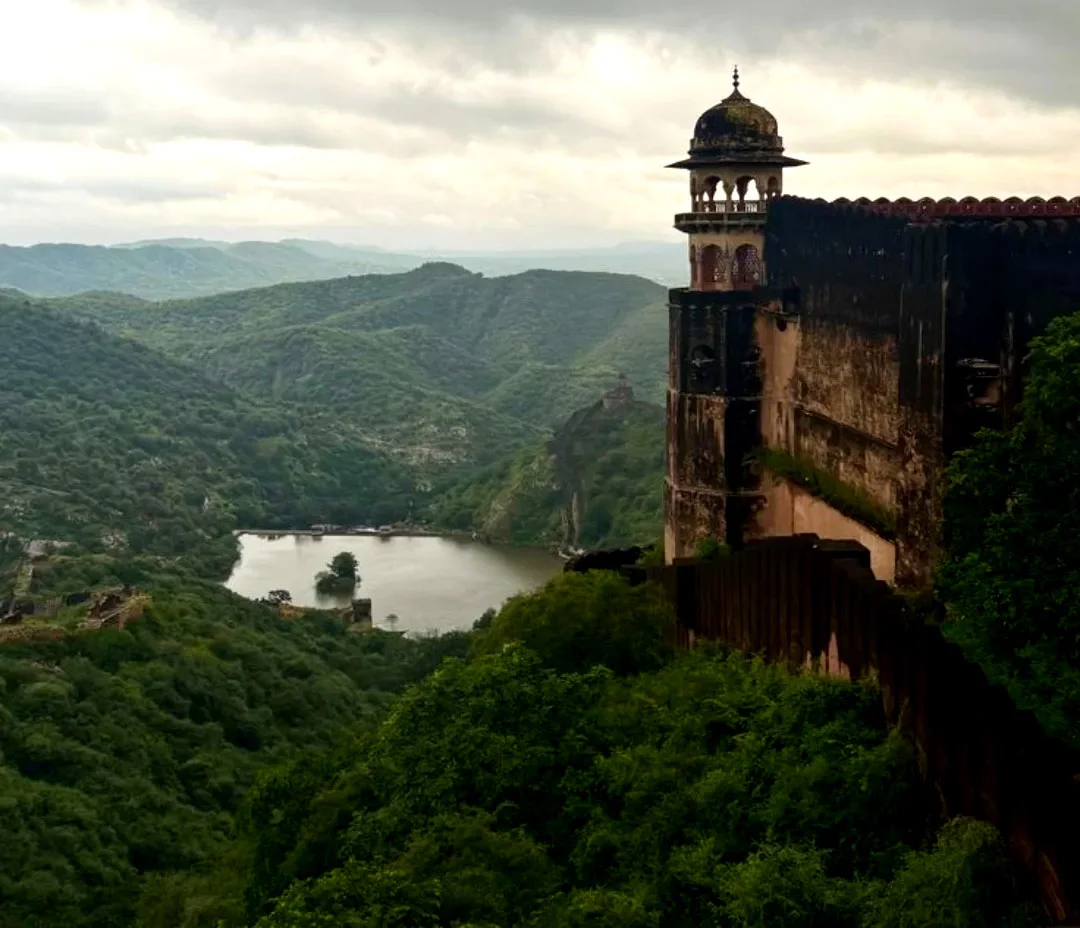
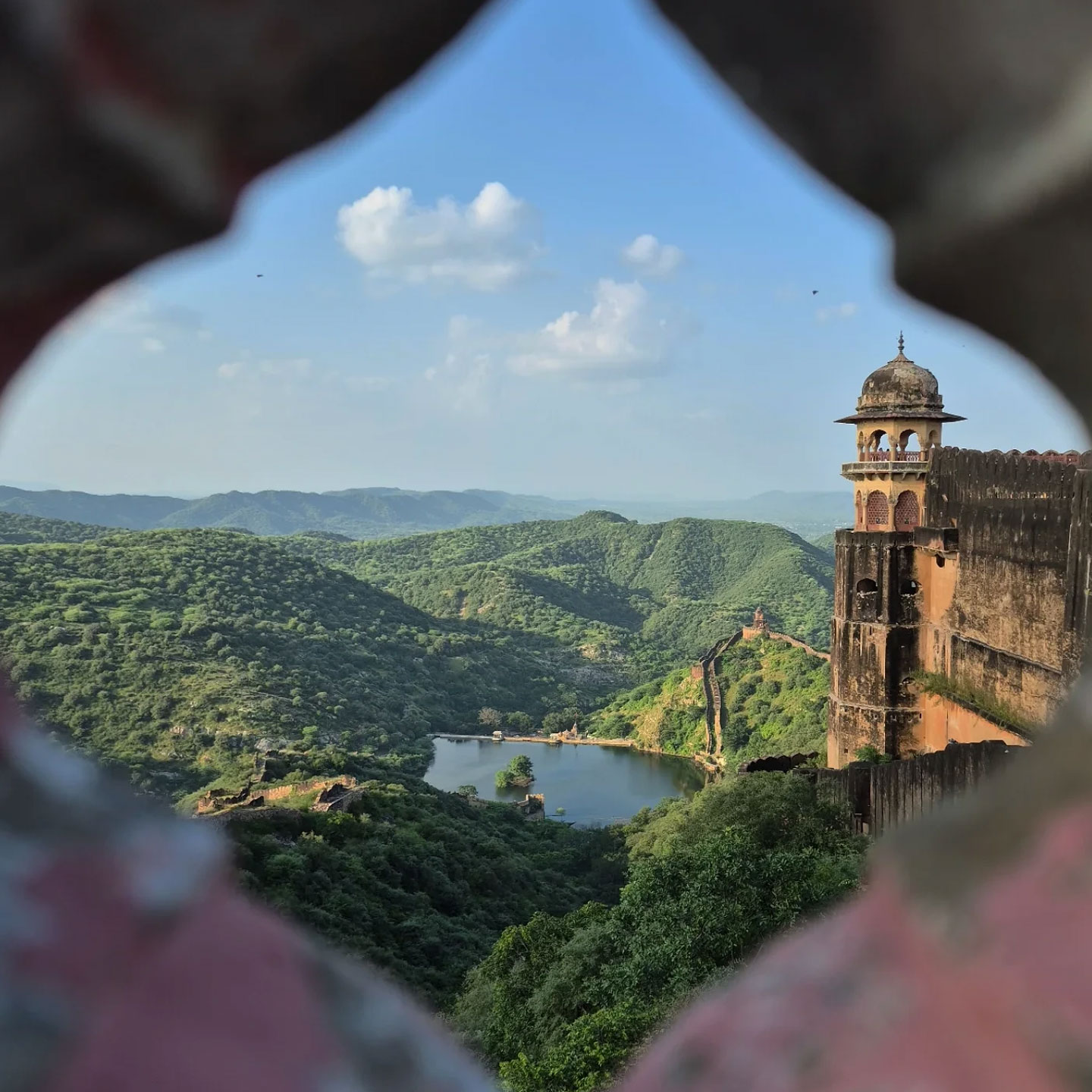
This fort, called "Victory Fort," is 400 meters above Amber Fort. Standing in Jaigarh Fort, one may enjoy the best views of Amber Fort and the Aravalli Hills. The "jaivana Cannon" is the artifact stored here that is most intriguing. This fort was once closed to commoners due to rumors that there were riches hidden within, but it is now available to everyone to explore its magnificent palaces, gardens, temples, and museum. This site, also known as "Victory Fort," served as a warehouse for all the military armour, cannons, weapons, and ammunition. Inside the compound of the fort, there is a Persian-style garden that is split into 4 sections. The most remarkable feature of the fort are its lattice-covered windows. Through these windows, the exteriors are entirely viewable, but nothing is visible from the outside.
5. Nahagarh Fort
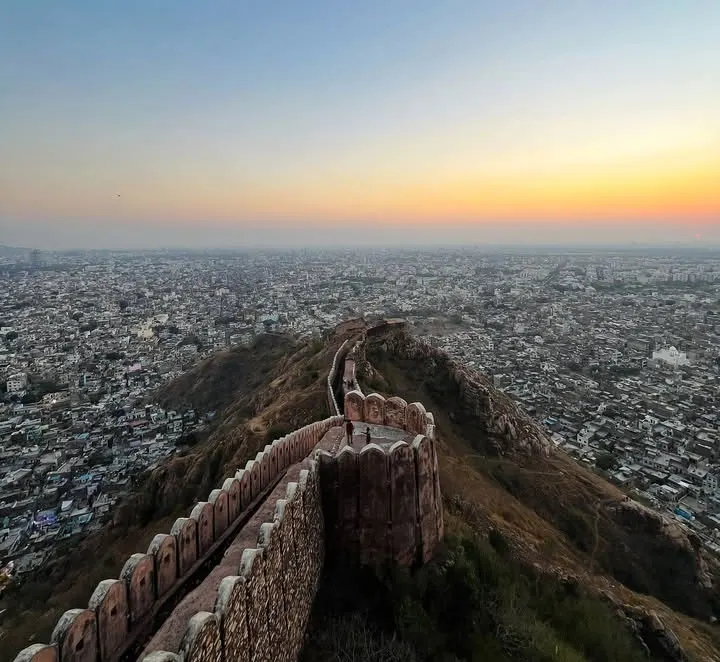
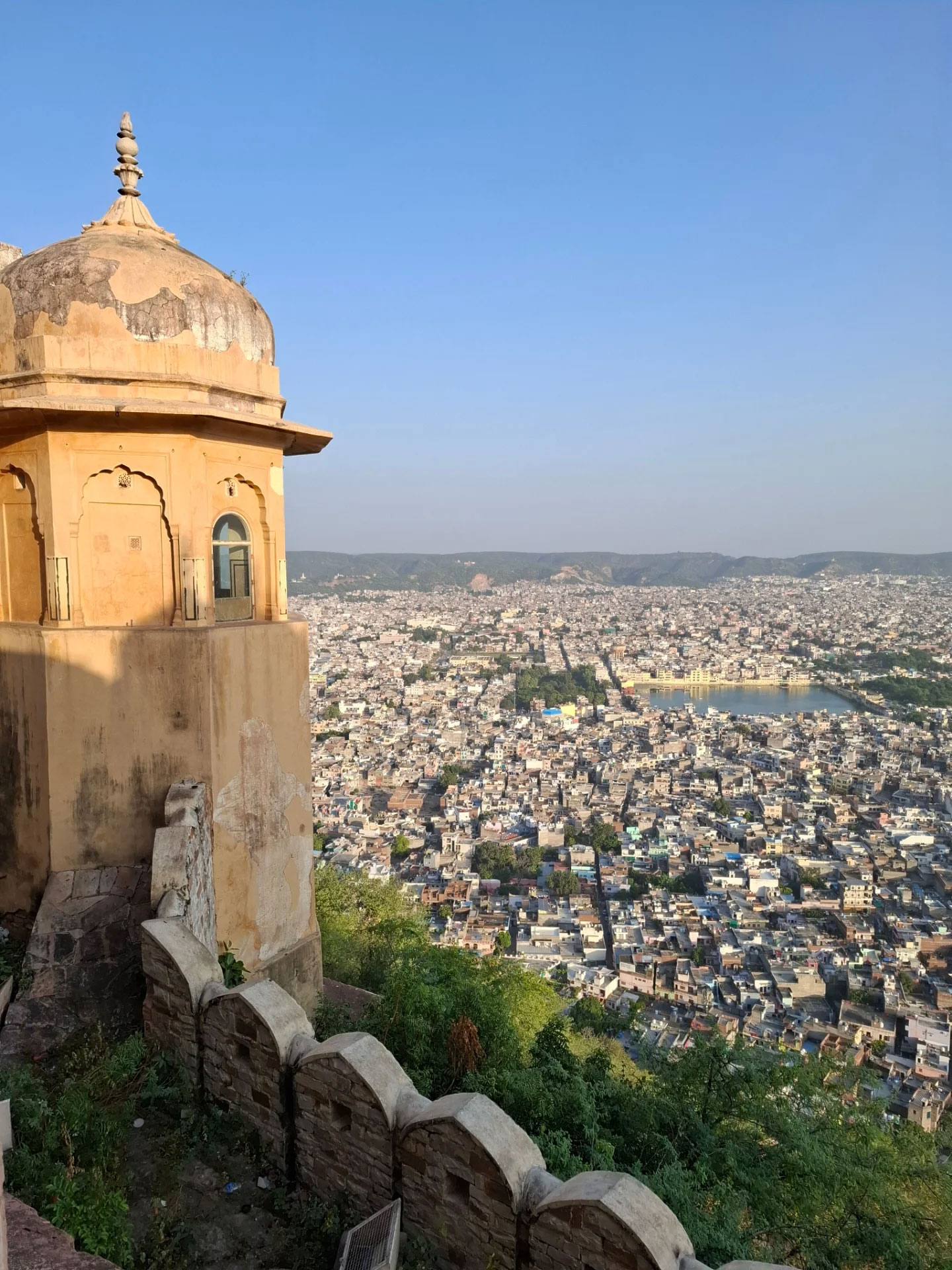
This historical place in Rajasthan was built by Sawai Raja Jai Singh in 1734 to provide a defense for Amber, the capital city of Jaipur's early rulers. It is rumored that the ghost of king Nahar inhabited this fort. Worth seeing at Nahargarh Fort is Madhavendra Bhawan, the royal family's summer retreat. The renowned Nahargarh Biological Park and a zoo that offers visitors a peep at animals in the area, like Asiatic lions and Bengal tigers, are located inside the fort. The fort contains a number of constructions, including a temple honoring the patron saint of the Jaipur kings, a second temple for Prince Nahar Singh Bhomia, a two-story building called Madhavendra Bhavan named after Sawai Madho Singh who built it, and Diwan-I-Aam, an open area where the kings used to convene to listen to the common people's concerns.
6. Chittorgarh Fort
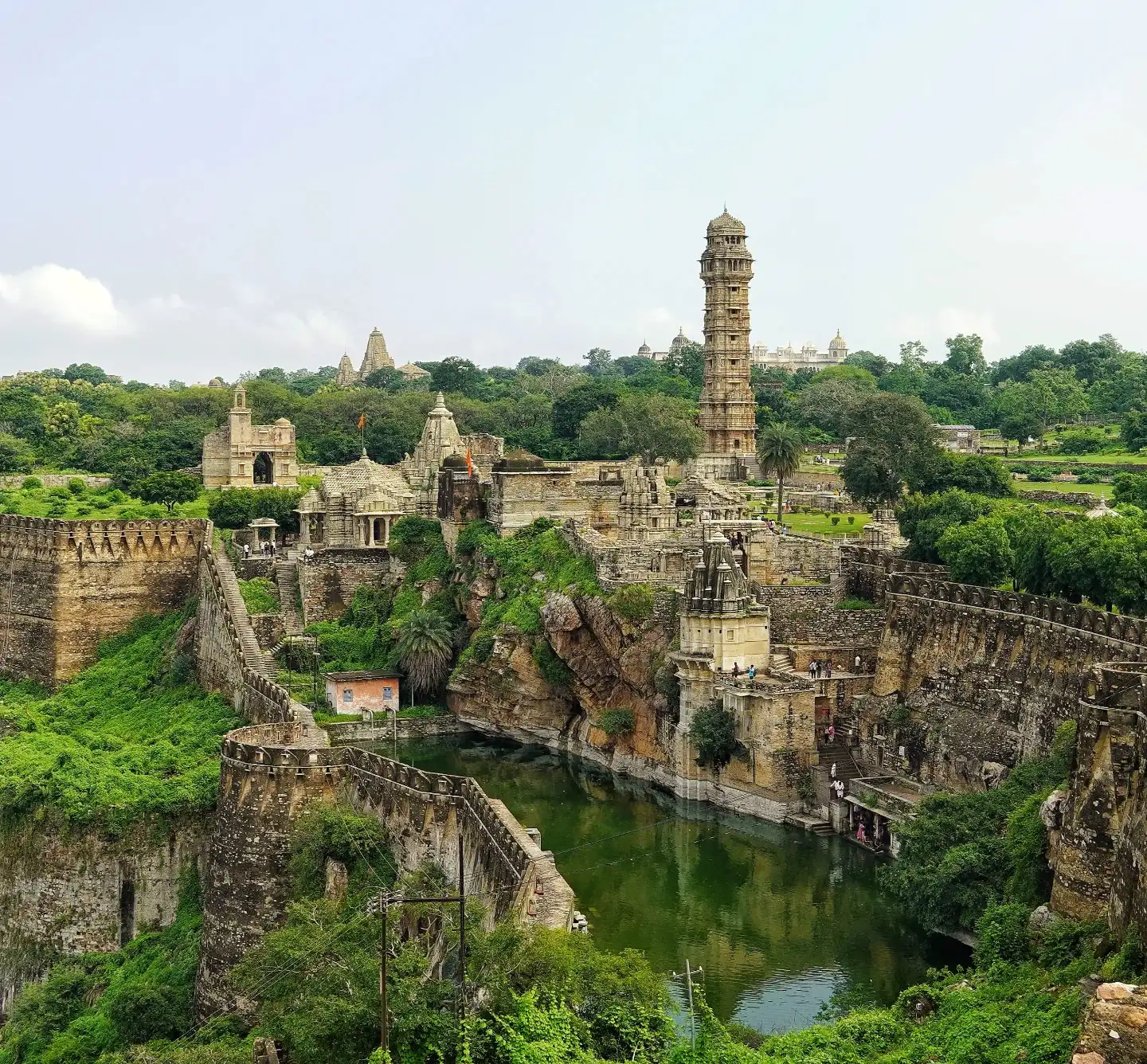
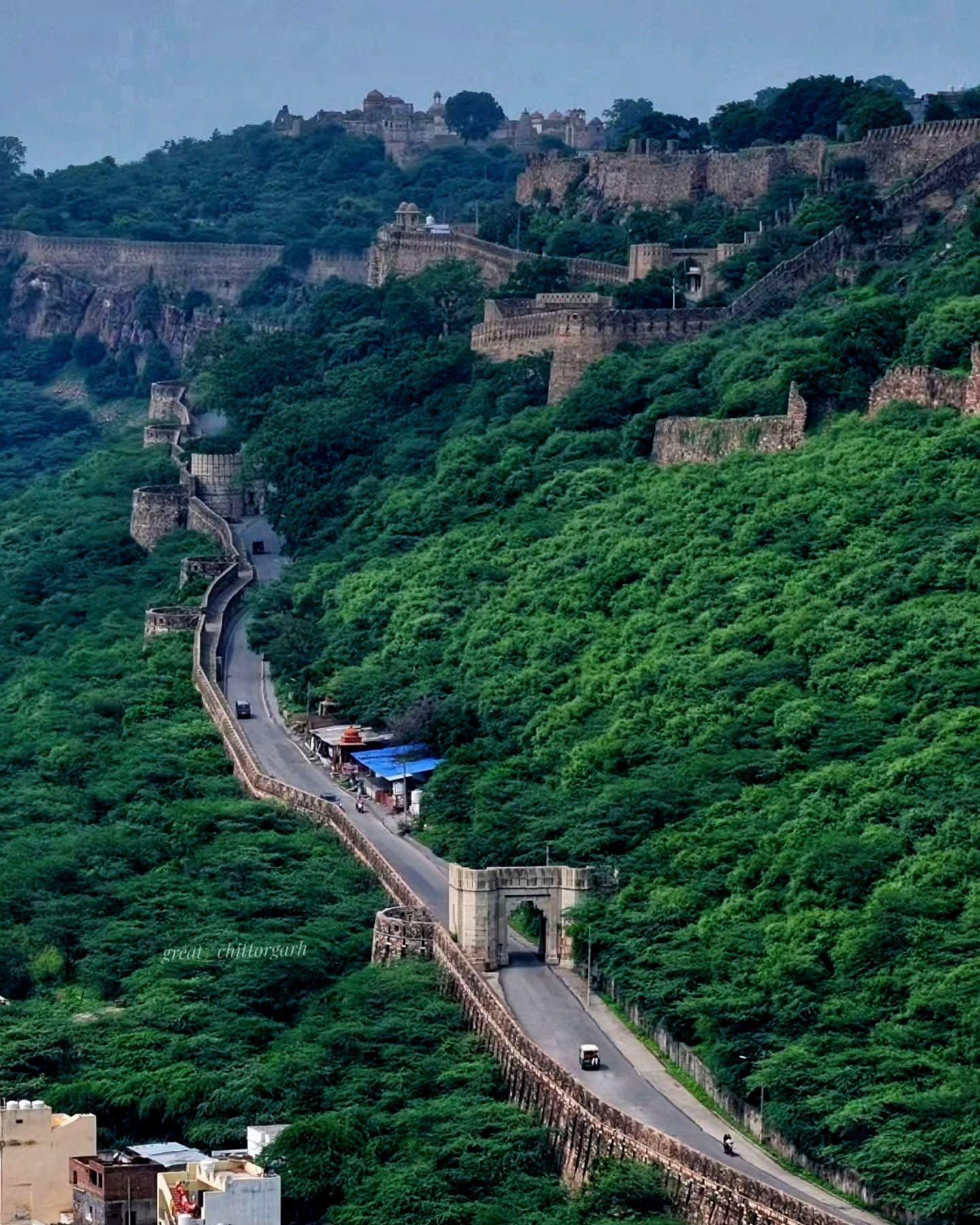
The greatest historical site in India was constructed by Chitrangad, the Mori Rajputana ruler, and is located in Udaipur, Rajasthan. The fort is praised for its stunning design, illustrious Rajputana past, and brutal sieges and jauhars. The Kirti Stambh and the Vijay Stambh are the Fort's principal draws. This is one of the famous monuments of Rajasthan. Once located in the city of Chittorgarh, Chittorgarh Fort served as Mewar's capital. The legends of bravery and selflessness resound throughout Chittorgarh Fort, which also represents Rajput culture and beliefs. The Chittorgarh Fort's remarkable structure led to its designation as a UNESCO World Heritage Site in 2013. The Chittorgarh Fort is reached by a steep, one-kilometer-long route. Since there have been several historical sacrifices connected to it, it is frequently seen as the state's pride. Although there are barely 22 remaining out of 84 water bodies that make up Chittorgarh Fort's title, "Water Fort,"
7. Junahgarh Fort
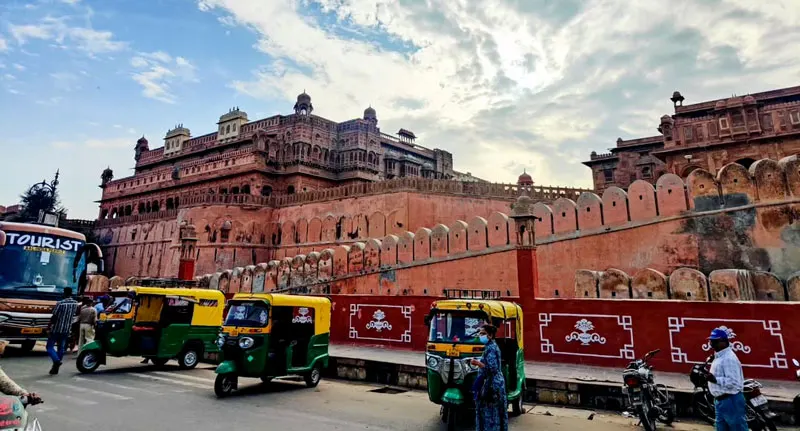
The Junagarh fort is one of Rajasthan's most stunning historic sites. The great fort, built in 1587 by Raja Jai Singh, is still standing and has very high walls and deep ditches. The main attractions in this region include a museum and stunning mahals including Chandra Mahal, Phool Mahal, and Karan Mahal, among others. Seven gates make up the fort, with the Karan Pol, Suraj Pol, Daulat Pol, Fateh Pol, and Chand Pol serving as its main entrances. The fort's interior palaces, gardens, balconies, kiosks, and other structures show a fusion of architectural styles influenced by the varied kings' cultural backgrounds and outside influences. Starting in the late 16th century, the fort's distinctive monuments depict 16 successive generations of Bikaner's kings. The Junagarh fort is the pinnacle of superb architecture. The Rajput style is the oldest of the many cultural influences on architecture. The traditional Rajput style, which was influenced by the Gujarati association with the Mughals, is the earliest design smear.
8. Fort Museum
People can find a large selection of old Rajputana weapons, such as handguns, daggers, and other items used by rulers in the past, in this museum. Along with this, there are portraits, a World War I airplane, and other household objects used by Maharaja Ganga Singh. The Rathores left behind a magnificent legacy, which is displayed in the museum and includes weapons, costumes, paintings, painted period rooms, and much more. The Rathore kings of Jodhpur maintained strong ties with the Mughal emperors during the Mughal period of Indian history, and this museum showcases one of the most significant and well-preserved collections of fine and applied arts from that time.
9. Jaisalmer Fort
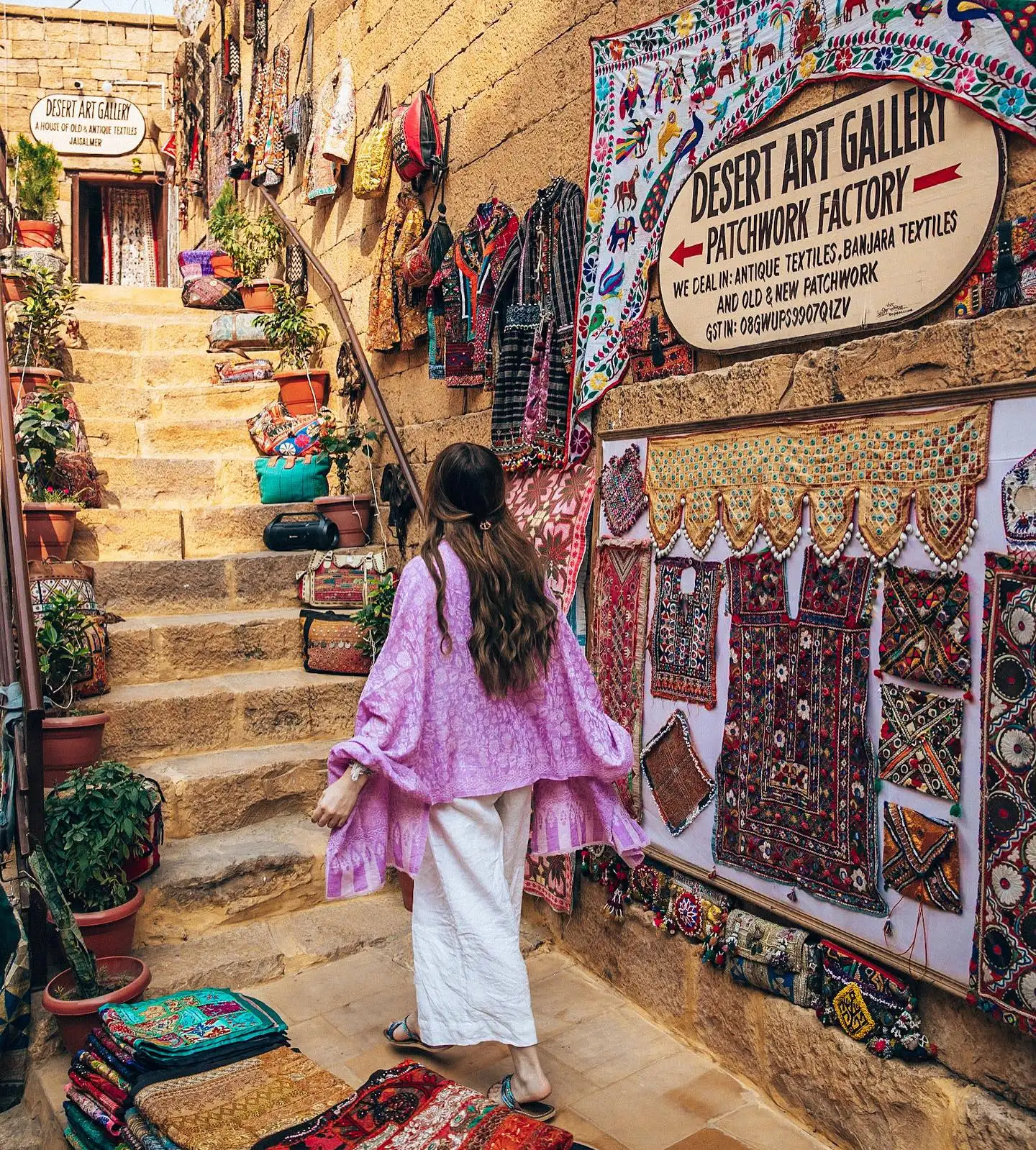
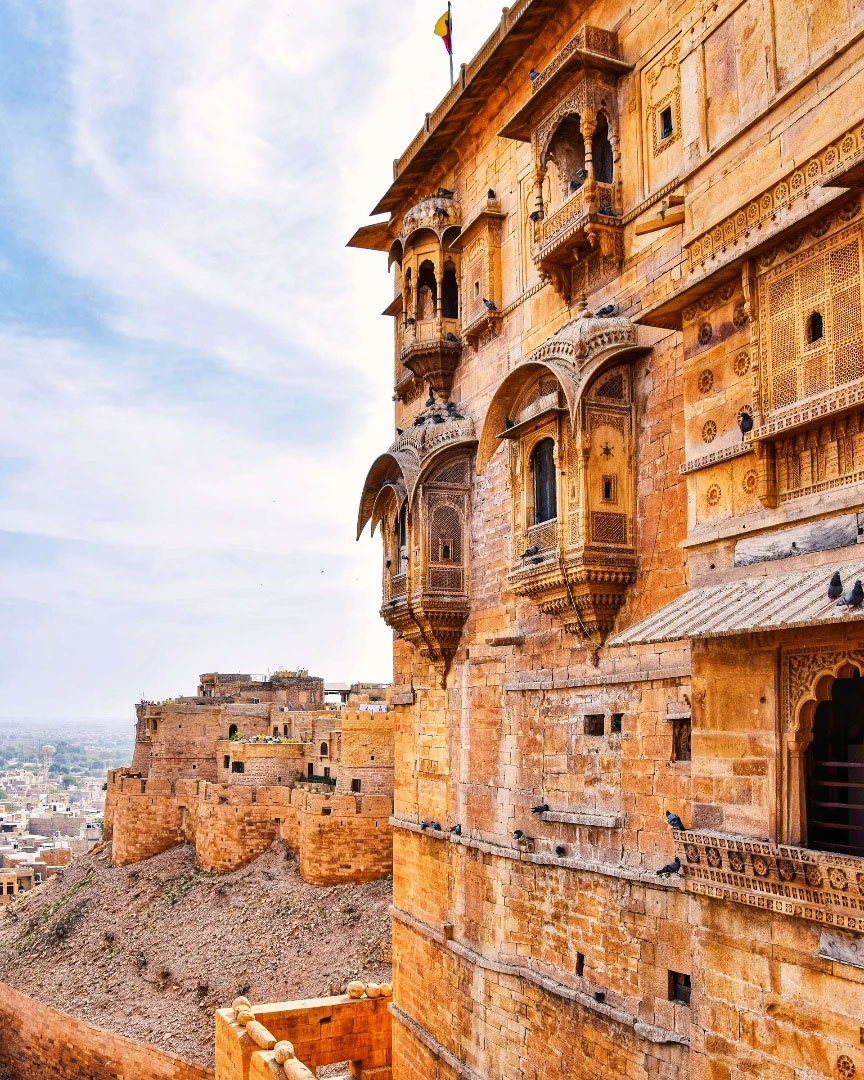
The Jaisalmer Fort, also known as the "Golden Fort" or "Sonar Quila," is one of the biggest forts in the world. Rawal Jaisal, a Rajput king, built it in 1156 AD. This historical site in Rajasthan witnessed numerous wars. Merchant Havelis, Lakshminath Mandir, Raj Mahal, and 4 great entrances are some of the fort's top attractions. It is also known as the Golden fort because of the enormous yellow sandstone walls that are bright yellow throughout the day and turn honey-gold as dusk approaches. It is a fort that is 250 feet high and has 30-foot-long walls surrounding it. There are 99 bastions in the fort, 92 of which were constructed between 1633 and 1647. The fusion of Rajput and Islamic architecture is evident. Ganesh Pol, Akshya Pol, Suraj Pol, and Hawa Pol are the four entrances to the fort. The Trikuta Hill-based Jaisalmer Fort has witnessed numerous battles.
10. Mehrangarh Fort
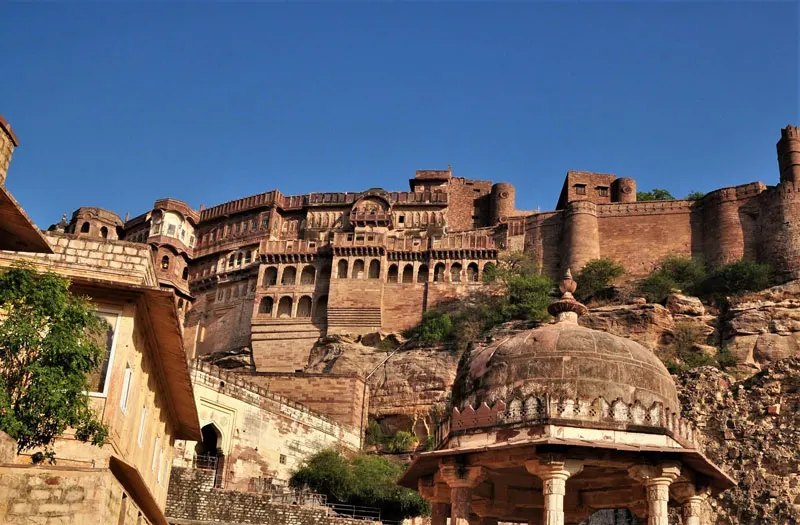
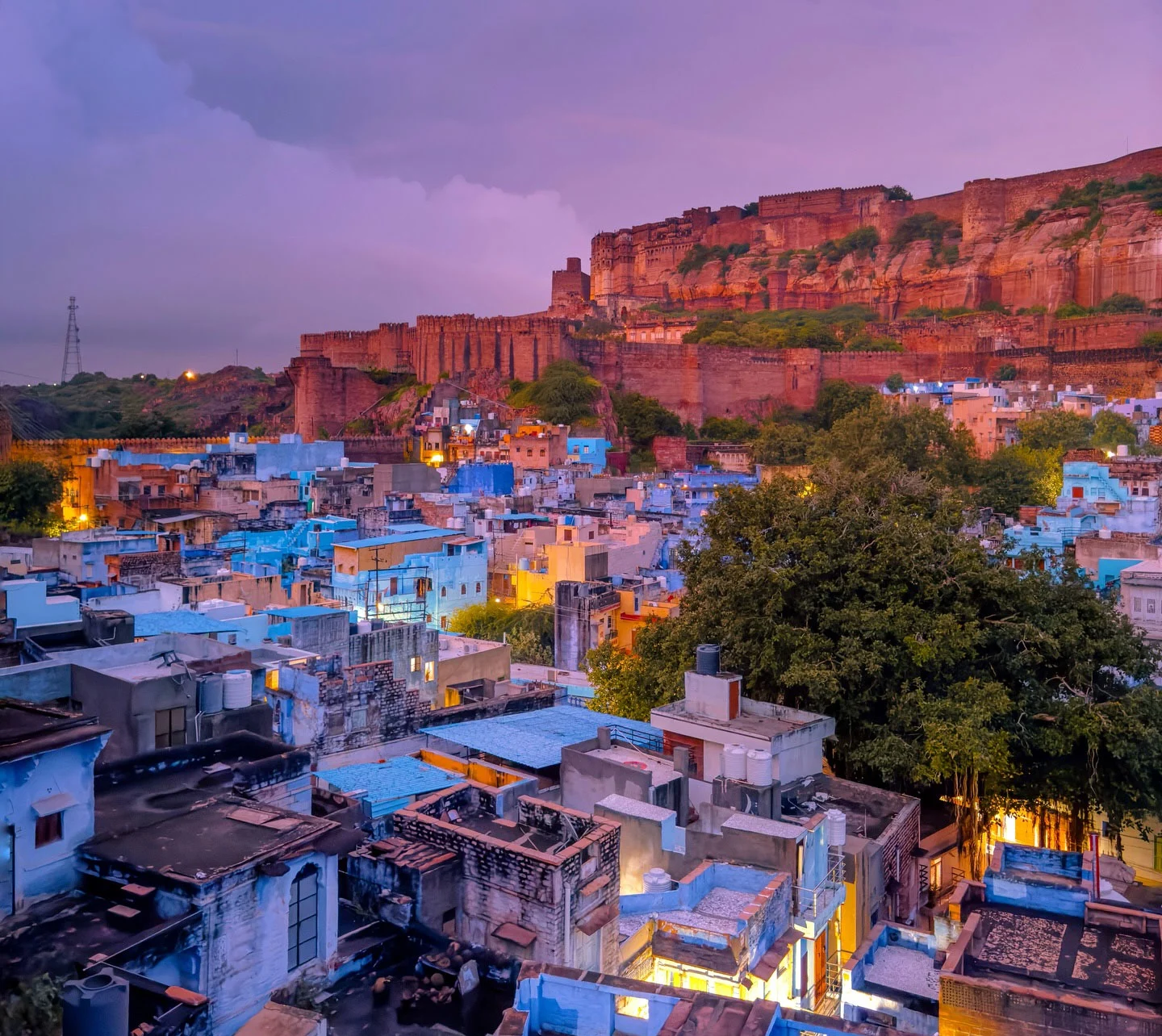
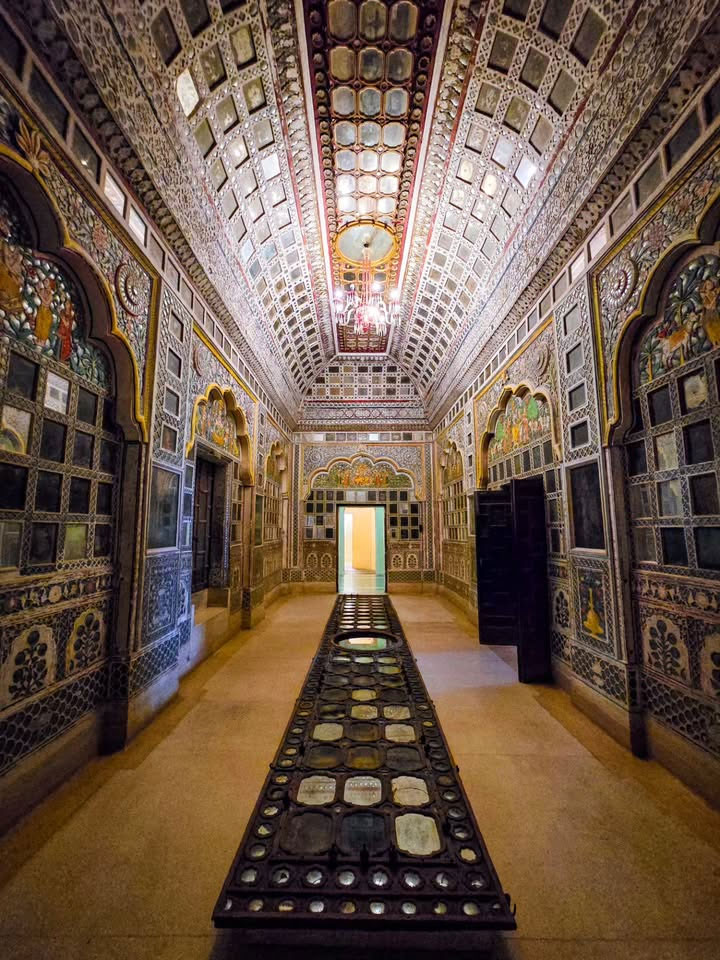
Mehrangarh Fort, another one of the biggest forts in the world, is located 400 feet above Jodhpur. The massive cannonball markings that can still be seen on the fort's second gate are the most intriguing element. The museum, numerous magnificently designed palaces, and the seven fortified gates all have a triumphant story to share with the public. One of Rajasthan's most stunning historical locations is this. This majestic fort has seven gates that have been built by several rulers to mark Jodhpur's triumph over the troops of Jaipur and Bikaner. A fascinating museum that displays an exotic array of royal cradles, palanquins, paintings, musical instruments, furniture, arms, and clothing is also kept within the fort. This fort, which appears to be a blue carpet laid at the base of a hill, offers a panoramic view over the city of Jodhpur. The construction of this fort involved assistance from every Jodhpur ruler.
Traditions and festivals are celebrated in Rajasthan. For you to stay in and fulfill your fantasy, the forts in this area have been renovated and transformed into magnificent restaurants. The state is more gorgeous than usual when festivals and events are taking place since the entire area turns into a blaze of colour. Rajasthan won't deter you, whether you're interested in National Parks, Forts like Bhangarh, Neemrana, or Chittorgarh, or Monuments. Rajasthan has been growing day by day as a result of the increase in tourists visiting the state, enabling more individuals from around the globe to travel there and experience Rajasthan's true essence!
You are sure to have lifelong memories after visiting the numerous palaces, temples, and historical sites in Rajasthan.